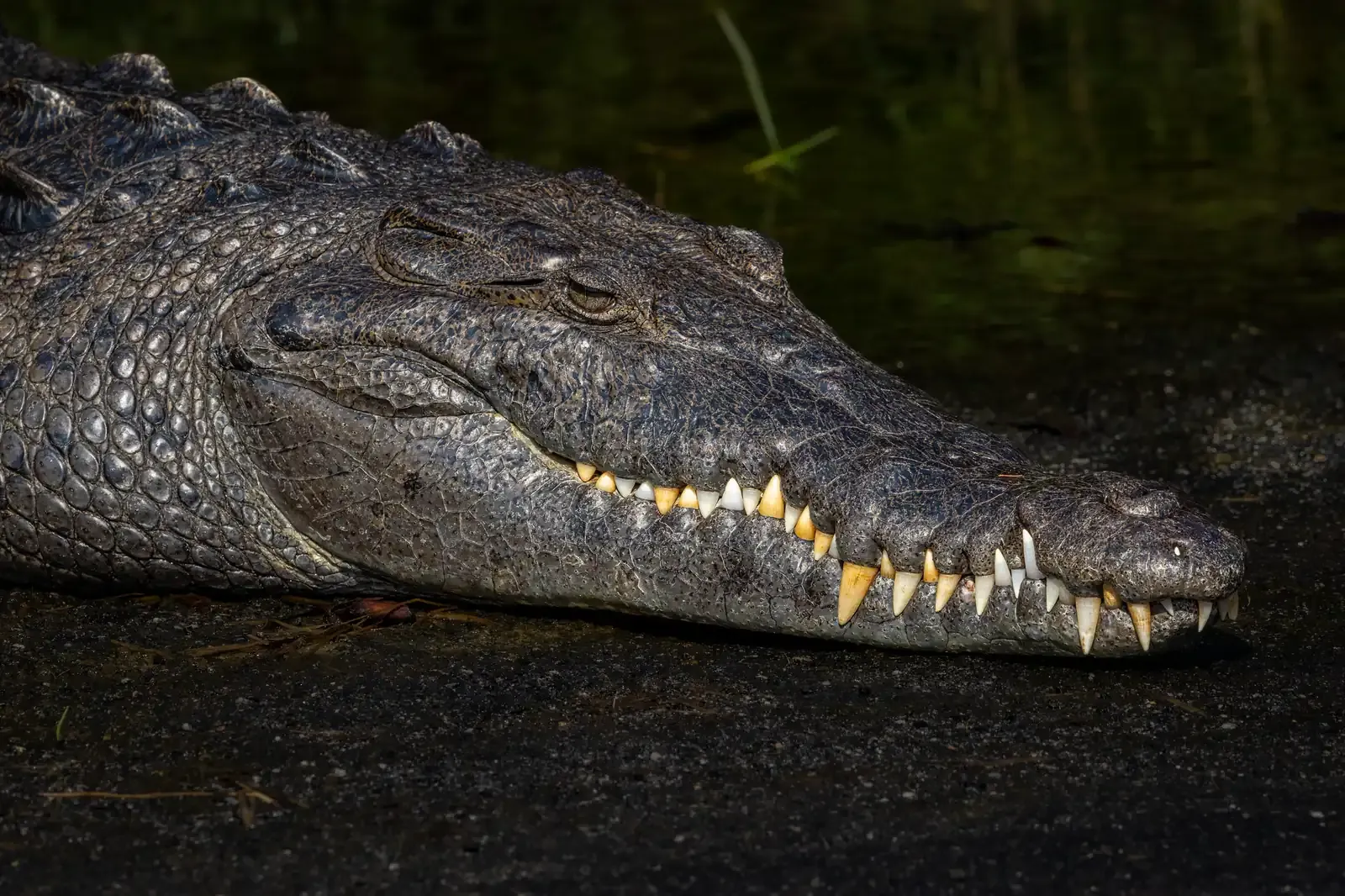
Yes, there are crocodiles in the Everglades. American crocodiles are associated especially with coastal brackish and saltwater habitats, while American alligators are more commonly associated with freshwater areas.
South Florida is the only place where these two native American species coexist, according to NPS. That does not mean they appear together at every stop. Choose a habitat, keep your distance, and treat identification as something to do with your eyes or a zoom lens rather than by moving closer.
Crocodiles in the Everglades: where to look
Flamingo is a sensible area to investigate for American crocodiles. NPS specifically suggests looking for crocodiles, manatees and tarpon from the marina area. Florida Bay and surrounding coastal habitats are different from the freshwater marsh seen at Shark Valley, which explains why the location matters.
Plan a Flamingo visit as part of the Homestead entrance route. It is not a short detour from the Shark Valley tower, and the park entrances do not connect internally. Use the entrance guide and keep enough time for the drive back from the end of the Main Park Road.
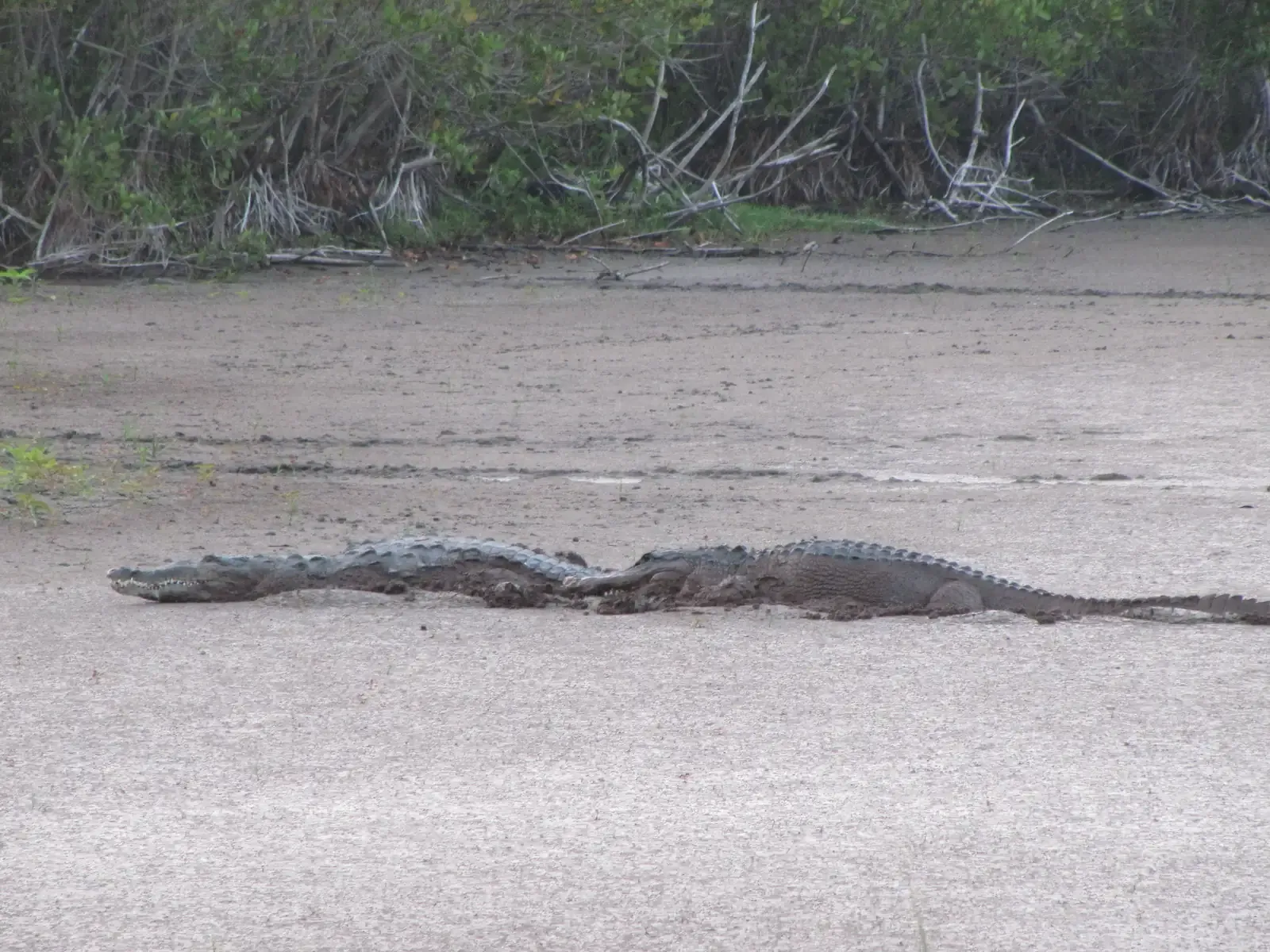
Look from open public viewing areas. Ask park staff about current conditions, respect closed sections and avoid getting in the way of boats or marina users. A crocodile sighting remains a possibility, not an appointment. If seeing one is your only measure of success, a normal quiet day can feel disappointing even when the coastal landscape is worth the visit.
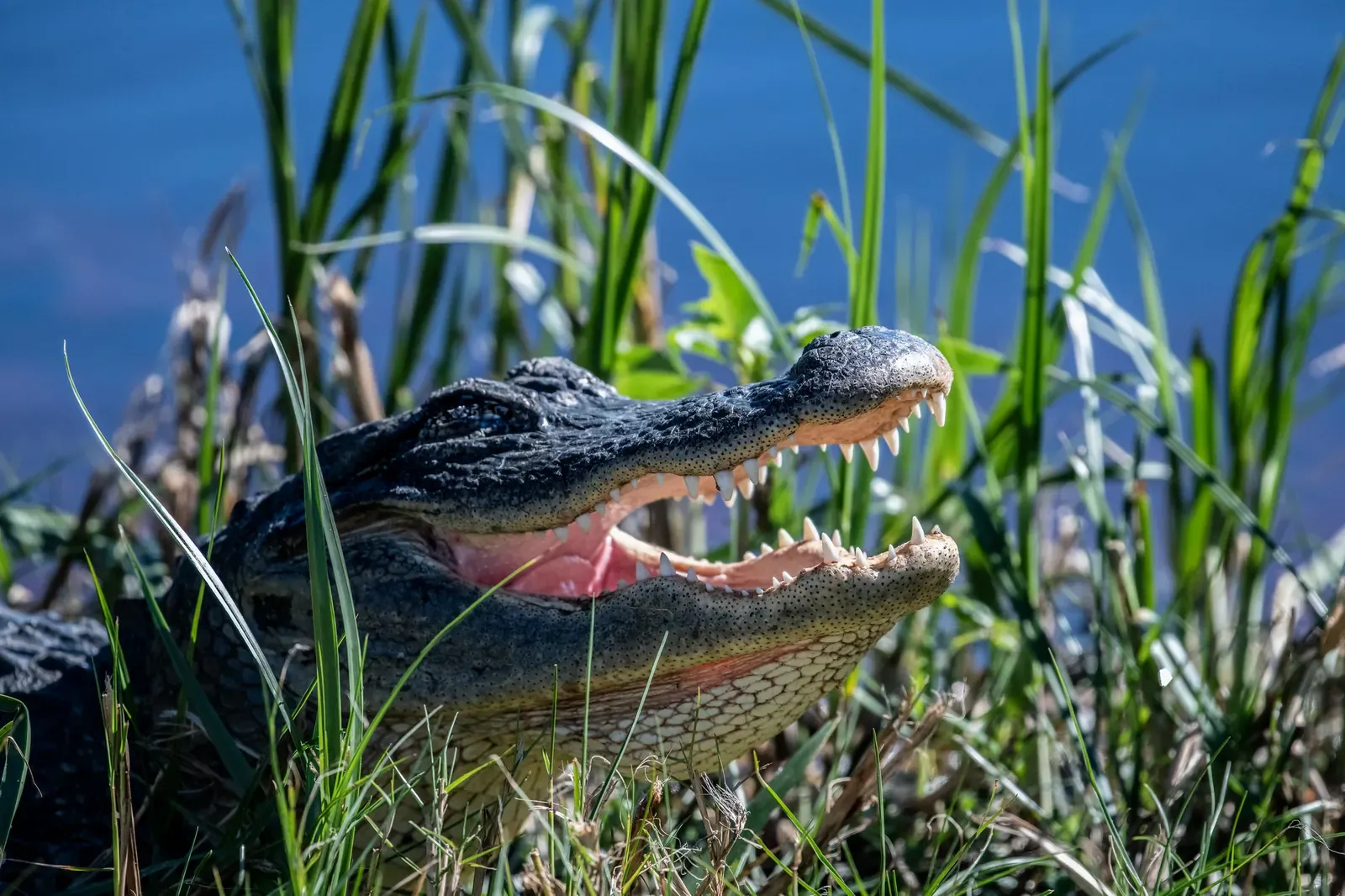
Alligator vs. crocodile: how to tell them apart
Crocodiles and alligators both belong to the crocodilians, and NPS notes that south Florida is the only place where the two species native to the United States coexist (checked October 1, 2026). Here is how to tell them apart from a respectful distance.
| Feature | American crocodile | American alligator |
|---|---|---|
| Snout | Generally narrow and triangular | Generally broader |
| Teeth with mouth closed | The fourth lower tooth is visible on each side | Different jaw fit; do not approach to inspect teeth |
| Color | Often grayish-green | Usually darker |
| Typical habitat | Coastal brackish and saltwater areas | Freshwater marshes, ponds and waterways |
| Visitor starting points | Flamingo and coastal areas | Shark Valley, Anhinga Trail and other freshwater viewing stops |
These are general identification clues, not a reason to test how close you can get. Lighting, distance and an animal’s position can make photographs ambiguous. If you are unsure, keep the label broad until you can compare your photograph with an official species reference. The same respectful-distance behavior applies either way.
Why a crocodile may sit with its mouth open
NPS explains that crocodiles rely on external heat to regulate body temperature. Basking with an open mouth can be part of that process; it is not automatically a display of aggression toward a visitor. It is also not an invitation to approach, pose, or wait directly beside the animal.
A crocodile startled by an approaching person may enter the water noisily. NPS describes that as a sign of fear and stress. The useful response is to give it more space, not follow it or interpret the movement as a wildlife performance. Quiet observation from farther away is better for both the animal and the next visitor.
Safe viewing without disturbing the animal
Follow the NPS minimum distance of 15 feet from wildlife and give more room when the setting requires it. Never feed, touch or harass an animal. Keep children beside you, stay in designated public areas and leave a clear route for wildlife to move. A barrier is not permission to lean across it.
Use binoculars or a zoom lens for details. Choose a stable viewing position away from the water’s edge, and avoid surrounding an animal with a group. If your presence changes what the animal is doing, step back. Do not try to get a better angle by walking onto a bank or entering a closed area.
American crocodiles are described by NPS as shy and secretive, with human conflict uncommon. That describes behavior at a species level; it does not make an individual animal harmless. Respectful viewing is the right approach even when a resting crocodile appears completely still.
Make the coastal stop part of a worthwhile day
Combine a Flamingo stop with the route’s other open destinations rather than treating it only as a crocodile search. At Royal Palm, the Anhinga Trail offers a freshwater contrast. Along the Main Park Road, short trails and overlooks show other habitats. The activity guide helps you choose stops without overfilling the day.
Check the Guy Bradley Visitor Center’s seasonal hours before relying on a conversation indoors or a particular service. Bring water, sun protection and insect protection, and download information before entering an area with unreliable reception. A full day allows flexibility, but it still needs a clear return plan.
If you were hoping to see alligators instead
The alligator location guide focuses on freshwater viewing opportunities such as Shark Valley and Anhinga Trail. It also explains why drier conditions can make some wildlife easier to observe. Do not expect the same animal mix at a coastal marina and a freshwater canal.
When planning with children, the comparison itself can make the visit interesting: look at habitat, snout shape and color from a safe distance, then compare photographs later. There is no need to get close enough to count teeth. A clear understanding of the difference is a better souvenir than a risky close-up.
For a separate experience in the wider Everglades, our publisher-owned airboat recommendation is below; it is not a promised crocodile-viewing trip.
Frequently asked questions
Are there crocodiles in the Everglades?
Yes. American crocodiles live in coastal areas of South Florida, including habitats in Everglades National Park.
Where might I see one?
NPS identifies the Flamingo marina as a place to look for crocodiles. Use public viewing areas and remember that sightings are not guaranteed.
Are American crocodiles dangerous?
They are wild animals that require distance and respect. NPS describes them as shy, but visitors must never feed, touch, crowd or approach them.
How can I tell one from an alligator?
General clues include a narrower triangular snout, lighter coloration and visible lower teeth in a crocodile. Use a zoomed photograph or official reference instead of approaching.
Disclosure: Everglades Tour Guide is published by Captain Greg Mislow, owner of Airboat Adventures Everglades. We recommend AAE because we know exactly how its tours run. The rest of this guide is general visitor information drawn from public sources like the National Park Service. Last reviewed October 1, 2026.