The best time to visit the Everglades for comfortable walking and wildlife viewing is generally the cooler dry season, roughly November through April. Summer can still work, but heat, insects and thunderstorms call for shorter activities and more flexible plans.
There is no single best month for every traveler. A cyclist seeking a long open-marsh ride has different needs from a visitor taking a short boardwalk walk between showers. Start with the activity you want, then compare weather tolerance, crowds and how much flexibility your trip allows. A realistic schedule matters more than finding a supposedly perfect week.
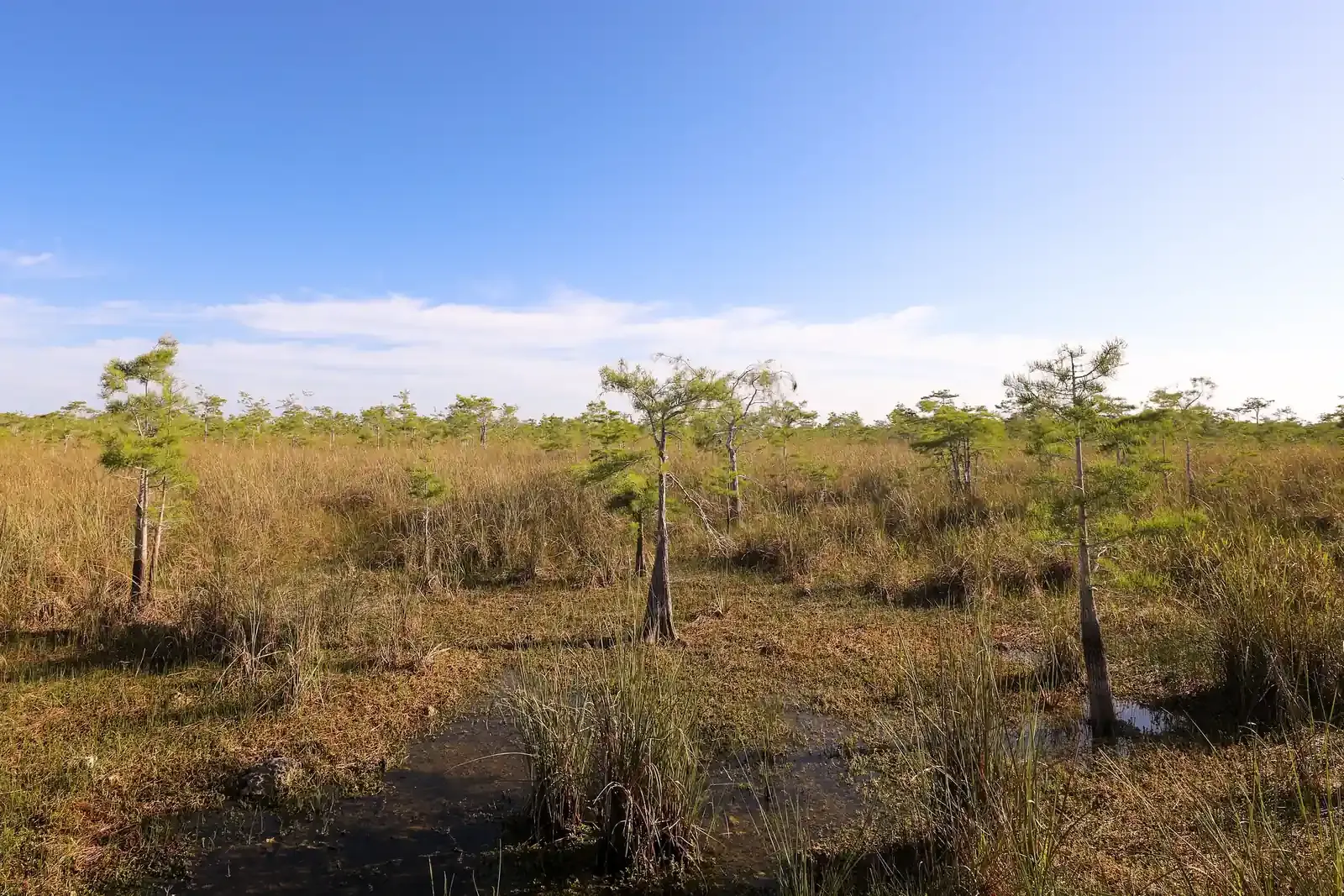
Best time to visit the Everglades: the seasonal tradeoff
| Planning factor | Cooler, drier months | Hotter, wetter months |
|---|---|---|
| Outdoor comfort | Often easier for longer walks and rides | Plan shorter outings and frequent breaks |
| Wildlife viewing | Remaining water can concentrate animals | Wildlife can spread across flooded habitat |
| Crowds | More demand for parking and popular activities | Often quieter, though holidays still matter |
| Insects | Fewer does not mean none | Prepare for mosquitoes and changing conditions |
| Weather flexibility | Cold fronts and rain still occur | Storms can disrupt exposed activities |
| Your best response | Reserve key activities and arrive early | Keep backup plans and check the forecast daily |
NPS pages use slightly different boundaries for the seasons: some describe November–April as dry and others November–March; wet-season descriptions may begin in April or May and extend into October or November. That overlap reflects a transition, not a timetable. Do not assume the weather changes on the first day of a month.
A month-by-month planning table
The notes below translate the broad seasonal pattern into planning choices. They are not a weather forecast or a promise of wildlife sightings. Check the official forecast and park alerts for the dates you will actually travel.
| Month | Main planning consideration | A sensible approach |
|---|---|---|
| January | Dry-season demand and possible cool fronts | Reserve your main activity and bring a light layer |
| February | Popular period for outdoor sightseeing | Allow parking buffers and avoid overloading the day |
| March | Dry-season conditions with busy travel periods | Start early and secure time-specific reservations |
| April | Transition toward hotter conditions | Carry water and shorten exposed activities if needed |
| May | Heat, rain and insects become more important | Favor a flexible morning plan |
| June | Wet season and Atlantic hurricane season | Check weather daily and allow cancellation flexibility |
| July | Heat, humidity and thunderstorms | Avoid relying on a long afternoon bike ride |
| August | Similar wet-season constraints | Choose manageable outings with a safe weather backup |
| September | Wet-season planning remains necessary | Watch forecasts and avoid rigid multi-stop schedules |
| October | Conditions can begin to transition | Use the actual forecast rather than a seasonal label |
| November | Transition toward drier conditions | Expect variability; hurricane season continues through November |
| December | Dry-season travel demand increases | Book key activities and plan an early arrival |
Best time to go to the Everglades, by interest
The two seasons suit different trips. These notes lean on the NPS dry-season and wet-season pages (checked October 1, 2026). NPS describes November through April as mild and pleasant, with low humidity, clear skies, average highs of 77°F and lows of 53°F. It describes May through November as hot and humid, with average highs of 90°F, a heat index of over 100°F and afternoon thunderstorms that can be expected daily.
Wildlife watching
Choose the dry season if wildlife is the main goal. NPS lists an abundance of wildlife among the reasons it is one of the most popular times to visit, and as the marsh dries, animals gather around the water that remains. In the wet season, NPS notes that rising water lets animals disperse, which makes viewing more challenging. Summer visits still turn up wildlife; they just need more patience and shorter outings. In Big Cypress, the Oasis boardwalk is singled out for November through May, when the swamp dries and wildlife crowds into fewer wet areas.
Birding
NPS says more than 360 bird species have been recorded in the park. Its Anhinga Trail page notes that anhingas, herons, egrets and many other birds may be seen there especially during the winter. For the classic wading-bird scenes along the boardwalks, aim for the dry season and arrive early, before the trails get busy.
Photography
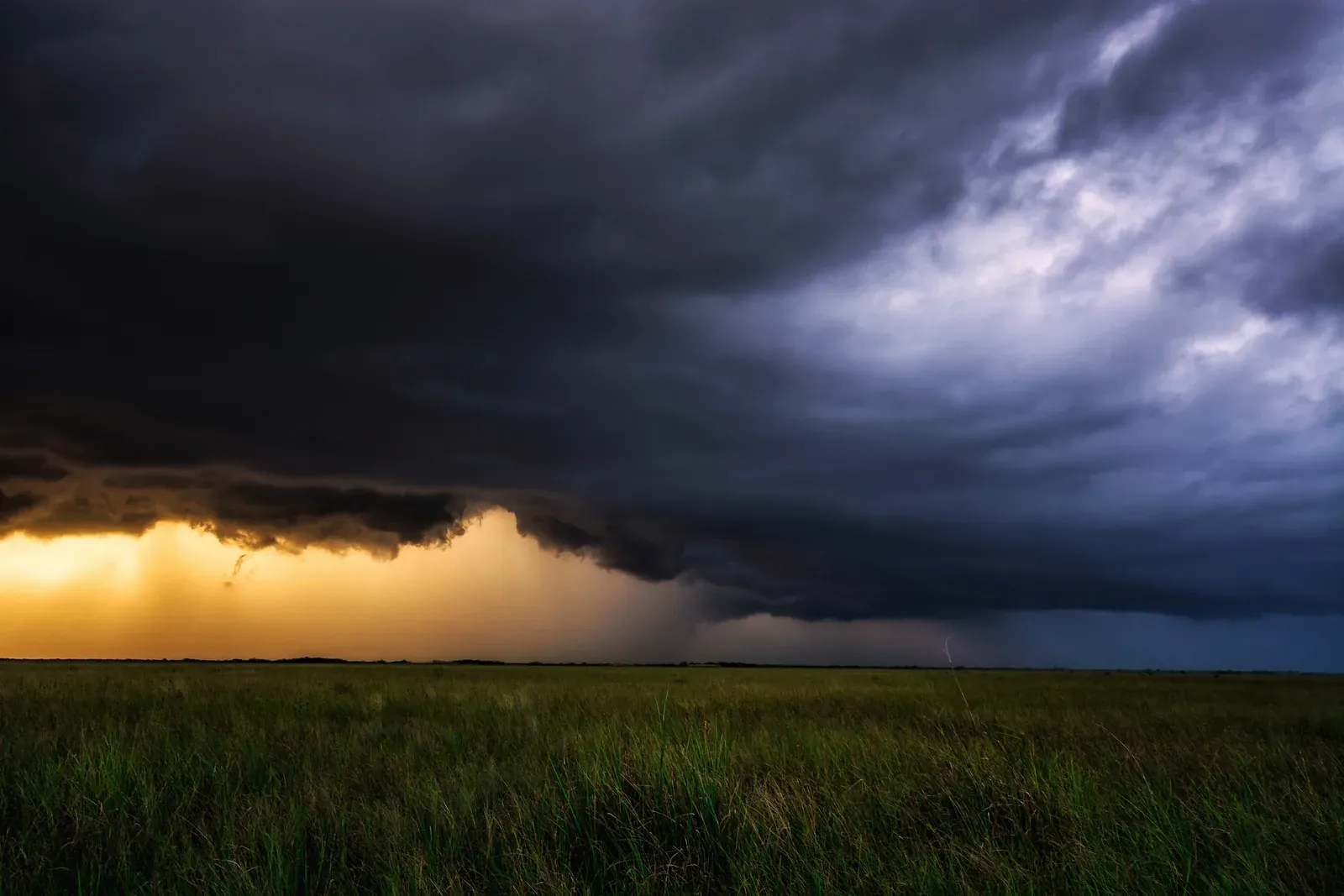
Clear dry-season skies suit wide views across the marsh from the Shark Valley tower or the Pa-hay-okee overlook. The wet season brings greener landscapes and towering afternoon clouds, but also lightning on exposed ground; NPS warns that lightning strikes are common in Florida rainstorms, particularly during the wetter summer months. Shoot early, and head for shelter when you hear thunder.
Paddling and boating
NPS describes the park’s marine waters as well known for boating, fishing, paddling and birding, with narrow channels and mud and seagrass banks in Florida Bay and sandbars and sharp oyster reefs around the Ten Thousand Islands. Cooler dry-season days are kinder for a long paddle. At Flamingo, NPS lists a Florida Bay boat tour that runs only from November 1 to April 30, while the backcountry tour to Whitewater Bay is listed year-round. In summer, paddle in the morning and watch the forecast closely.
Families with kids
For most families the dry season makes short walks easier, with lower humidity and fewer mosquitoes. NPS says ranger-led programs are widely available at all park entrances in the dry season and are usually fewer in the wet season. The park’s hours page also says visitor centers generally open at 8 a.m. in the dry season and 9 a.m. in the wet season, which matters if a visitor-center stop is part of the plan. In summer, keep the plan to one short trail or a tram ride, pack repellent, and build in a real indoor break.
Avoiding crowds
The dry season is also the busy season. At Shark Valley, NPS says parking is extremely limited and usually fills by 10 a.m. in peak season, typically December into April, and suggests visiting on weekdays and arriving before 10 a.m. or after 3 p.m. The hotter months are often quieter, but holidays still draw visitors, and NPS warns that some facilities may be closed or not fully operational in the wet season. Check before you go.
Winter and early spring: comfortable does not mean empty
The dry season is attractive for a first visit because walking, cycling and standing still to watch wildlife are often more comfortable. But those advantages also draw visitors. A plan that ignores parking can spend its best morning hour in a queue rather than beside the marsh.
Choose one main area and make your time-specific reservation first. Then arrange the rest of the day around arrival, a meal break and a modest optional stop. Bring a light layer for cooler conditions and still carry sun protection. A forecast that looks mild at breakfast does not remove the need for water during a long outing.
If wildlife is the priority, patience is more useful than racing through several locations. Start with an established route such as Anhinga Trail, Shark Valley or Oasis, and give yourself time to observe. Our alligator viewing guide explains the different habitats and the need to respect local viewing distances.
The worst time to visit (and how to make it work anyway)
For someone who dislikes heat, insects and weather uncertainty, the wet season may be the least comfortable choice. That does not make it a bad trip for everyone. It means a summer itinerary should not simply copy a winter schedule with the same long walks and tightly timed stops.
Put your most important outdoor activity early in the day when practical, keep it manageable, and leave room to change course. Check weather alerts before going into an exposed area. A storm risk is not solved by carrying a poncho; the activity may need to be delayed or skipped. Follow park and operator instructions rather than trying to preserve a schedule at all costs.
Bring insect protection and appropriate clothing, and plan where the group can take a real break. Families should make the day work for the person least comfortable with heat. If that means one short trail and a visitor-center stop, it is still an Everglades visit. You do not need to complete a full-day checklist to make the journey worthwhile.
Best time to visit Shark Valley
For Shark Valley, the time you arrive can matter as much as the month. In the busy season, parking can fill early. NPS advises a substantial buffer before a reserved tram tour. Read the Shark Valley guide before choosing a departure, and do not confuse a tram ticket with a guaranteed parking space.
If you want to cycle, evaluate the entire ride rather than only the first mile. The 15-mile loop is exposed, and a group may need several hours with stops. A cooler day and an early start are useful advantages, but wind, individual fitness and water supplies still matter. The tram is an alternative when a long ride is not suitable.
Match the season to your route
A Tamiami Trail day centered on Shark Valley has a different rhythm from a drive through Homestead toward Flamingo. On either route, choose fewer activities in demanding weather. Short boardwalk visits can be easier to adjust than a long remote outing or several prepaid departures spread across the region.
For a first day trip from Miami, use one entrance and keep the second major activity optional. If you are visiting for several days, leave one flexible window so weather does not force every plan into the same afternoon. Check visitor-center hours too: they can change by season even when an entrance remains accessible.
What to check during the week before travel
- Review the South Florida forecast and any active weather alerts.
- Check park closures, road access and visitor-center hours.
- Confirm your tour or rental reservation and cancellation terms.
- Recheck your route from the actual hotel or starting point.
- Adjust the activity length to the forecast and your group’s needs.
Repeat the weather and access check on the morning of the visit. A source-check date on a guide tells you when information was reviewed; it cannot guarantee that conditions have stayed the same. Use the linked official pages for the final decision, especially if a particular trail, departure or facility is essential to your day.
If a private airboat experience fits your season and route, check current availability and conditions directly with the operator.
Frequently asked questions
What is the best month to visit the Everglades?
There is no single best month for everyone. The cooler dry season is generally easier for walking and wildlife viewing, but popular periods require more advance planning.
Is summer a bad time to visit?
Summer can work with shorter, flexible activities and careful attention to heat, insects and thunderstorms. Avoid copying an ambitious winter itinerary unchanged.
Does the dry season mean no mosquitoes?
No. Fewer insects does not mean none, and conditions vary by habitat and time of day. Bring appropriate protection throughout the year.
When is hurricane season?
The Atlantic hurricane season runs June 1–November 30. Check the National Hurricane Center, local forecasts and park alerts for your travel dates.
Disclosure: Everglades Tour Guide is published by Captain Greg Mislow, owner of Airboat Adventures Everglades. We recommend AAE because we know exactly how its tours run. The rest of this guide is general visitor information drawn from public sources like the National Park Service. Last reviewed October 1, 2026.