The most useful way to choose things to do in the Everglades is by area. Pick one part of the region for your day, then combine a main activity with a few nearby stops instead of driving between disconnected entrances.
This list contains fifteen options, not fifteen compulsory stops. Time estimates below are planning allowances unless an official activity duration is identified. Wildlife, queues, trail conditions and your group’s pace can change the day. Read current alerts before traveling and keep a shorter alternative available.
Map: things to do in the Everglades by area
Use this planning map to see how far apart the areas are before you pick one for the day. It marks the main wildlife-viewing stops from our alligator guide, from Shark Valley and the Big Cypress roadside stops to Royal Palm and Flamingo; the Gulf Coast area at Everglades City is not marked. It is not a trail map, so check access and local rules before traveling.
Things to do in the Everglades: a quick comparison
| Activity | Area | Time | Season | Kids |
|---|---|---|---|---|
| Take the Shark Valley tram | Tamiami Trail & Shark Valley | About 2 hours plus arrival | Year-round; busy-season booking matters | Good seated option; check individual needs |
| Bike the Shark Valley loop | Tamiami Trail & Shark Valley | At least 2–3 hours; longer with stops | Cooler conditions are more comfortable | Only if every rider can manage the distance |
| Look across the marsh from the tower | Tamiami Trail & Shark Valley | Part of a loop visit | Check weather before committing | Suitable as part of the chosen loop transport |
| Consider an airboat on the corridor | Tamiami Trail & Shark Valley | Depends on the specific booking | Ask about weather and water conditions | Confirm noise, seating and age suitability |
| Walk the Anhinga Trail | Homestead, Royal Palm & Main Park Road | Allow an unhurried short-trail stop | Winter is noted by NPS for wildlife | Yes, with close supervision |
| Explore Gumbo Limbo | Homestead, Royal Palm & Main Park Road | A short walk plus stops | Year-round when open; prepare for insects | Useful short option |
| Stop at Pa-hay-okee | Homestead, Royal Palm & Main Park Road | A short boardwalk stop | Check current access and weather | Useful brief stop when open |
| Walk Mahogany Hammock | Homestead, Royal Palm & Main Park Road | Allow time for a 0.5-mile boardwalk | Year-round when open; insects vary | Short route, with supervision |
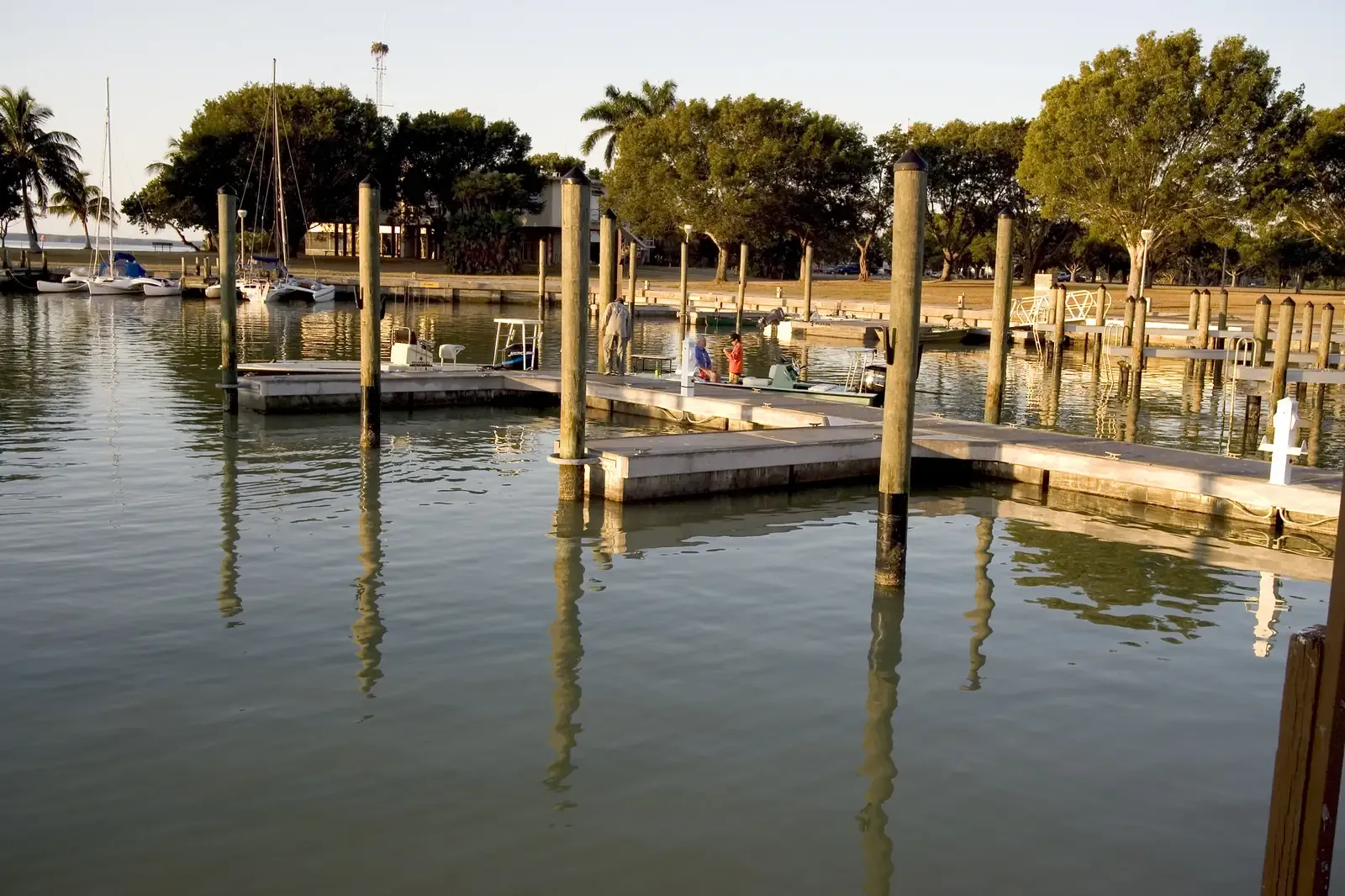
| Look from the Flamingo marina | Flamingo | A flexible waterfront stop | Year-round; sightings vary | Yes, with care near the water |
| Take a Flamingo boat trip or paddle | Flamingo | Confirm the trip; NPS lists 90-minute boat tours | Routes and departures may be seasonal | Ask the provider about your group |
| Explore the Ten Thousand Islands | Gulf Coast & Everglades City | Confirm the departure or paddling plan | Check conditions and current operations | Provider and route dependent |
| Pause at Oasis Visitor Center | Big Cypress | A short stop with time to look | Check center and boardwalk access | Useful roadside stop |
| Check Kirby Storter’s open section | Big Cypress | Depends on the section currently open | Access check essential | Only use the open public section |
| Consider a Loop Road drive | Big Cypress | Allow a flexible drive and safe stops | Check road conditions before entering | Suitable only for the route and conditions |
| Join an available ranger program | Across park areas | Varies by the listed program | More options are often offered in the dry season | Check the program description |
Top Everglades attractions and places to visit, at a glance
If you only want the headline stop in each area, start here. The NPS details in this table were checked October 1, 2026.
| Area | Best-known attraction | Things to see | Time to allow |
|---|---|---|---|
| Shark Valley | The observation tower and 15-mile loop | Freshwater marsh, the canal-side leg and a panoramic view from the tower at the halfway point | About 2 hours on the tram; at least 2–3 hours by bike |
| Royal Palm | Anhinga Trail | Sawgrass marsh where NPS says you may see alligators, turtles, anhingas, herons and egrets, especially in winter | A 0.8-mile round trip; allow an unhurried short-trail stop |
| Flamingo | Flamingo Marina | Florida Bay; NPS suggests watching from the dock for manatees, tarpon and crocodiles | A flexible waterfront stop; NPS lists 90-minute boat tours from the marina |
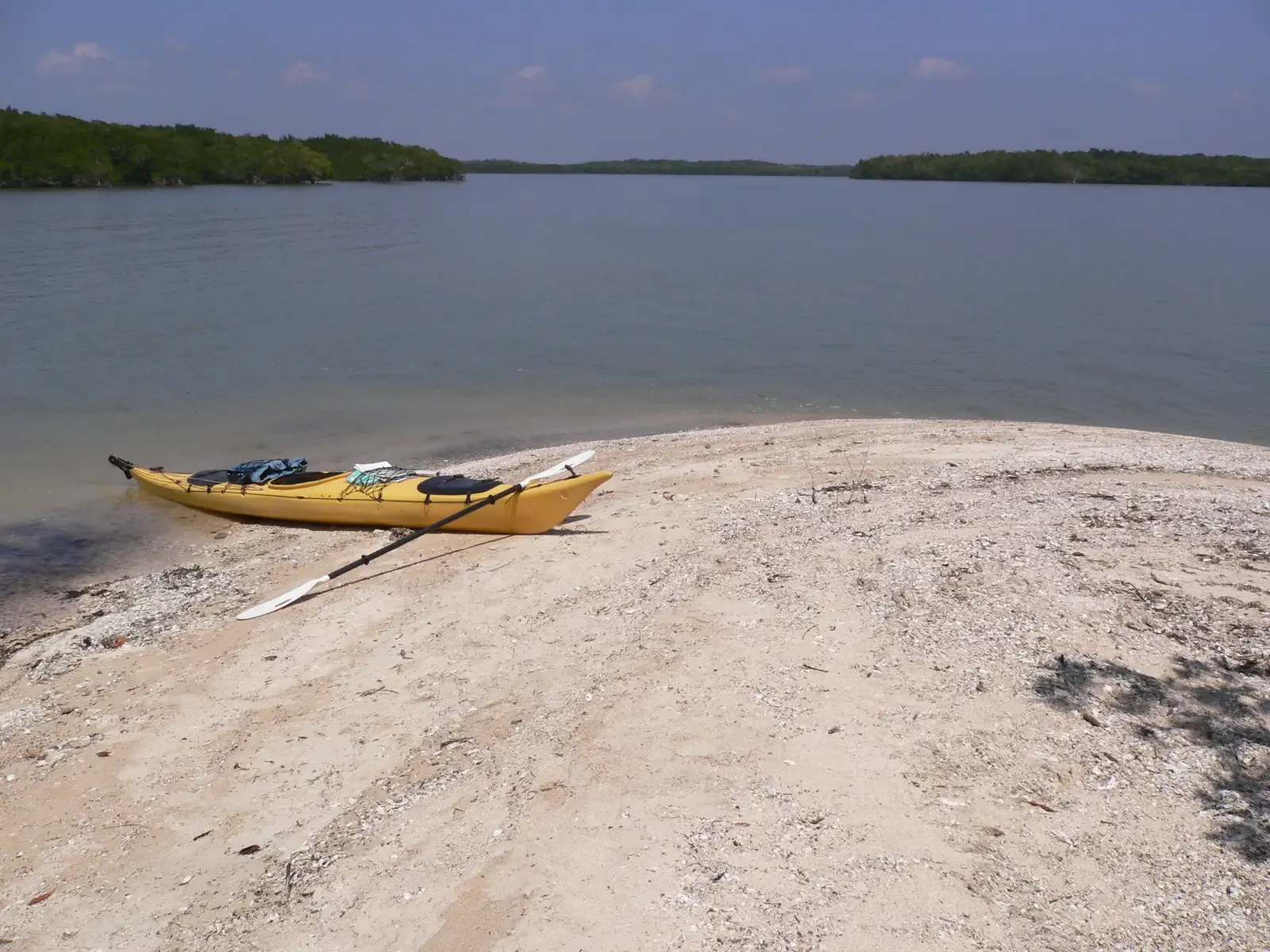
| Gulf Coast | Ten Thousand Islands | Mangrove islands and coastal waterways, best seen from the water | Confirm the departure; NPS lists daily 90-minute boat tours |
| Big Cypress | Oasis Visitor Center boardwalk | Alligators, fish, birds and turtles beside a canal; NPS highlights November to May | A short stop; the boardwalk is about 200 yards long |
Tamiami Trail & Shark Valley
1. Take the Shark Valley tram
The narrated tram follows the 15-mile loop and stops at the observation tower. It offers context without requiring a long bike ride, but it is an outdoor trip with a fixed departure. Read the tram guide and leave the parking buffer recommended by NPS.
2. Bike the Shark Valley loop
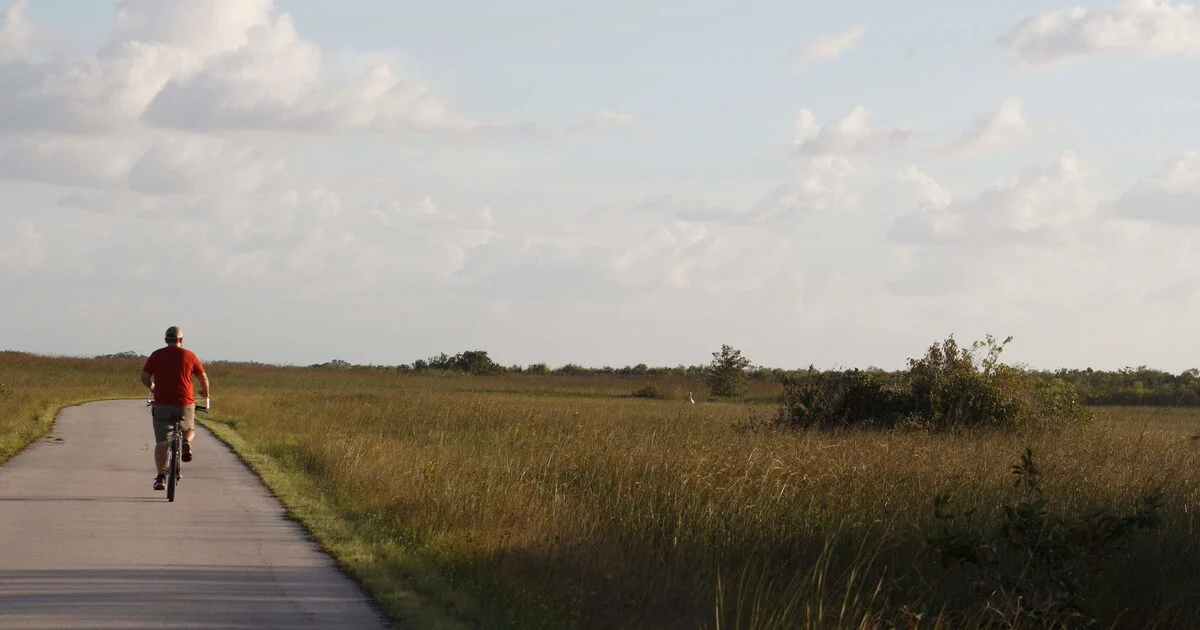
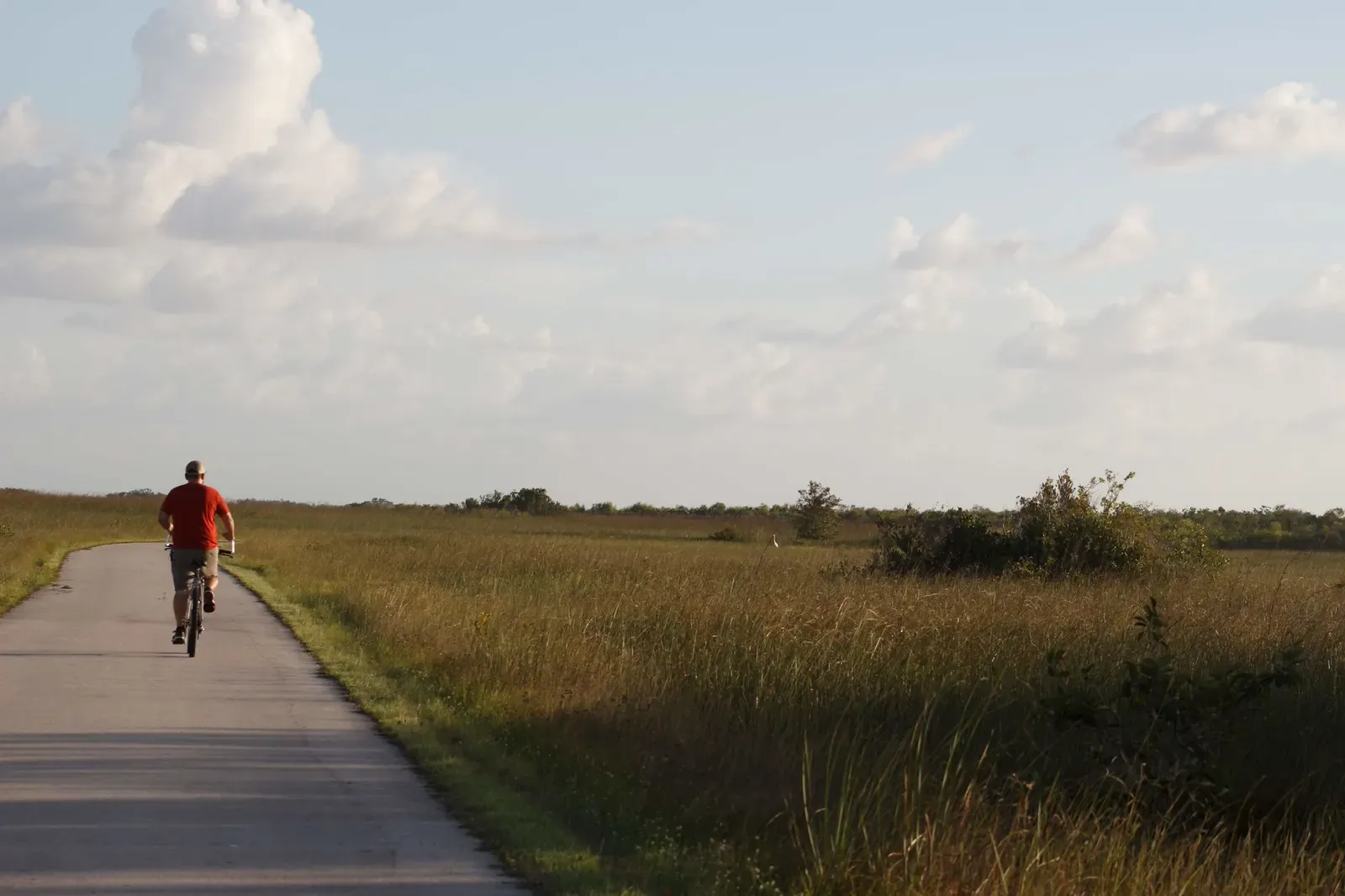
The paved loop lets riders pause for views at their own pace. Exposure matters as much as the flat surface: there is very little shade, and the return still has to be ridden. Our bicycle guide covers the canal-side leg, tower and winding return.
3. Look across the marsh from the tower
The observation tower is roughly seven miles south of the parking area, not a short stroll from the visitor center. Its appeal is the broad view across the landscape. Reach it by tram, bike or an appropriately planned walk, and leave the private car in the parking area.
4. Consider an airboat on the corridor
An airboat is a separate activity from Shark Valley. NPS authorizes three airboat concessions in a designated park area; other businesses operate in the wider Everglades outside the park. Use the airboat decision checklist to compare actual format, wildlife ethics and cancellation terms rather than unverified rankings.
Homestead, Royal Palm & Main Park Road
5. Walk the Anhinga Trail
The 0.8-mile round-trip trail starts at Royal Palm and is wheelchair accessible. Its marsh setting gives visitors a chance to look for alligators, turtles and birds without a long hike. Wildlife is not guaranteed; the alligator guide explains respectful viewing and alternative locations.
6. Explore Gumbo Limbo
This 0.4-mile paved loop explores a hardwood hammock beside the Royal Palm area. The shade and dense vegetation provide a contrast with the open Anhinga Trail. Treat it as a chance to look at trees and habitat, rather than expecting every stop to deliver a large animal.
7. Stop at Pa-hay-okee
The overlook provides another perspective on the open landscape along the Main Park Road. NPS lists the overlook as open again, with a wheelchair-accessible 0.16-mile round-trip boardwalk (checked October 1, 2026); check alerts before traveling, because access can change. Keep this as a flexible stop instead of the only reason to make a long drive.
8. Walk Mahogany Hammock
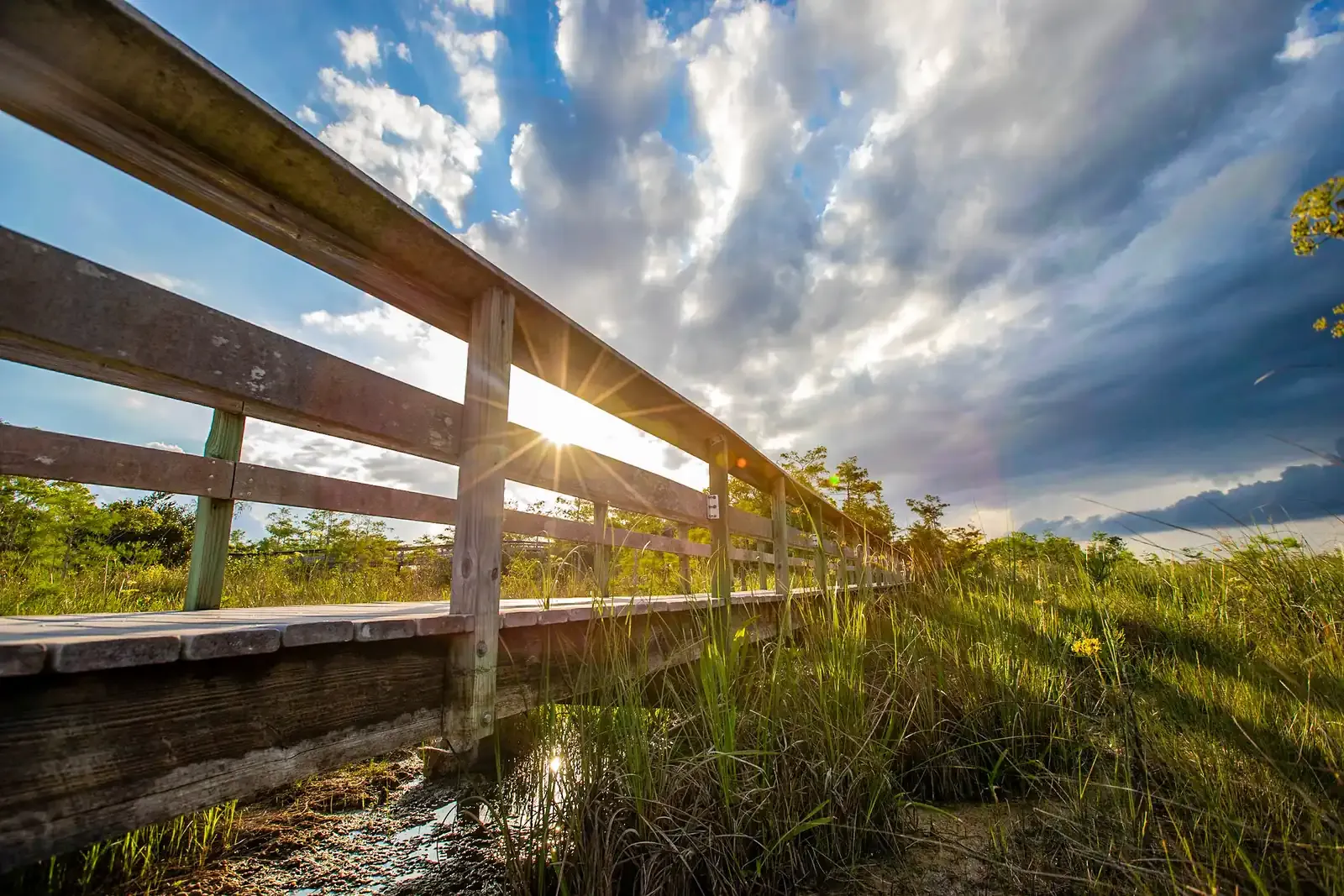
The half-mile boardwalk winds through a dense hardwood hammock. It is a different setting from the broad marsh views, and NPS lists it as wheelchair accessible. Check current conditions and let the walk remain a habitat stop rather than a hurried detour.
Flamingo
9. Look from the Flamingo marina
NPS suggests looking for manatees, tarpon and crocodiles from the marina area. Stay in open public viewing areas and give wildlife space. A quiet look across the water may be rewarding even when the species you hoped for does not appear.
10. Take a Flamingo boat trip or paddle
Flamingo offers guided water experiences as well as rentals. A backcountry route and Florida Bay show different landscapes, so ask which trip is operating on your date. Paddling independently requires a suitable route, weather judgment and preparation; it is not interchangeable with a seated guided tour.
Gulf Coast & Everglades City
11. Explore the Ten Thousand Islands
The Gulf Coast is a water-based doorway into mangrove and coastal scenery. Plan around a confirmed boat trip or an appropriately prepared paddle rather than arriving expecting a road loop. The entrance comparison explains why this side belongs to a different itinerary from Homestead or Shark Valley.
Planning to launch your own kayak? NPS says the Marjory Stoneman Douglas Visitor Center site features a kayak launch. The launch was closed for construction while the new visitor center was built, so call Gulf Coast rangers at (786) 758-0635 to confirm it is usable before you go (checked October 1, 2026).
Big Cypress
12. Pause at Oasis Visitor Center
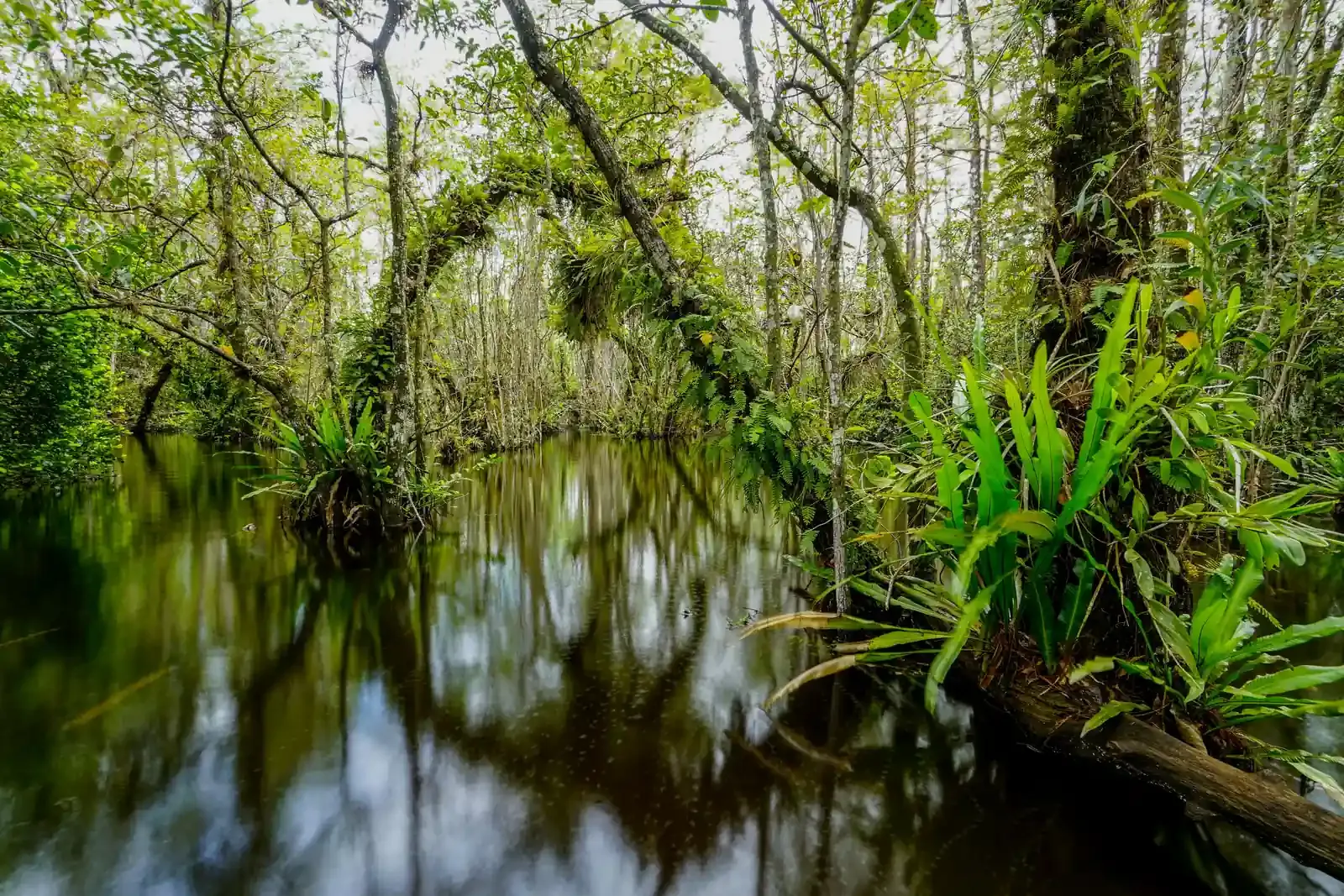
Oasis is a visitor-information and roadside wildlife-viewing stop in Big Cypress National Preserve. Use designated viewing space and check with staff about conditions along your route. It can add a manageable pause to a Tamiami Trail drive without requiring a backcountry outing.
13. Check Kirby Storter’s open section
NPS currently warns that Kirby Storter is only partly open following a summer 2025 fire. Its full boardwalk is described as a one-mile round trip, but that is not a promise the whole route is usable today. Do not pass barriers or plan on reaching the far overlook without confirming reopening.
14. Consider a Loop Road drive
A scenic drive can complement boardwalk visits, but a map line is not a guarantee of suitable road conditions. Check the current preserve guidance, stay on authorized roads, and stop only where legal and safe. Do not block traffic or approach roadside wildlife to improve a photograph.
Everglades attractions and activities across park areas
15. Join an available ranger program
A ranger-led activity can help make sense of what you are seeing. NPS notes that programs may be more limited in the wet season, so use the current calendar rather than an old printed schedule. Choose a location already on your route and check whether registration or special preparation is needed.
Build a day with breathing room
Begin with the activity that needs a reservation or a specific arrival time. Put it at the center of your plan, then choose nearby stops that can be shortened or skipped. A visitor-center conversation, a quiet wildlife observation, or a longer lunch break may be the most useful part of the day even though it does not appear on a ticket.
For a day trip from Miami, decide between the Tamiami Trail corridor and the Homestead–Flamingo route. The corridor can revolve around Shark Valley, with any separate airboat or Big Cypress stop added only if time permits. The southern route can revolve around Royal Palm, with the drive to Flamingo added when your group has a full day.
Do not interpret an open entrance as an open visitor center, a running tour or an unrestricted trail. At Flamingo, for example, NPS publishes seasonal building hours and separate activity information. A comfortable plan checks all three: access to the area, availability of the activity, and the hours of services you expect to use.
Free things to do
Big Cypress does not charge an entrance fee, making its open roadside viewing areas useful options for a budget-conscious visit. That does not mean every facility, campground or activity is free. Everglades National Park has its own fee system, and concessioner tours and rentals are separate purchases. Check the land manager for the actual stop rather than assuming the entire region has one admission rule.
A free stop still deserves preparation. Carry water and sun protection, observe posted access restrictions, and allow enough time to enjoy what is there. Kirby Storter’s partial closure is an example of why an inexpensive destination can still need a same-day conditions check.
Choose for your group, not for the longest list
With children, favor a manageable main activity and nearby restrooms rather than several long transfers. With someone who has limited mobility, confirm the exact route and boarding arrangements; an accessible trail does not automatically establish that every connected facility meets that person’s needs. With photographers, leave time to wait at a safe viewing point instead of chasing a sighting across the map.
For a group with mixed interests, agree on what can be skipped before you start. A bicycle loop may appeal to some people while a narrated tram suits others. That is a planning choice, not a reason to pressure someone into a distance or weather exposure they do not want. Splitting activities requires a reliable reunion plan and enough time for both groups.
Wildlife and weather shape the experience
Everglades National Park tells visitors to stay at least 15 feet from wildlife and not feed, touch or harass it. Keep children close, use a zoom lens, and allow animals room to move. The best activity is one your group can enjoy without crowding wildlife or relying on an encounter that might not happen.
Dry-season conditions often make outdoor exploring more comfortable, while the wetter months require extra attention to heat, insects and storms. Neither season guarantees animals, clear skies or an empty parking lot. Use our season guide to choose a general approach, then use the actual forecast and current alerts to make the final plan.
Shortening a route is often the right decision. You do not lose the value of a park day because you chose one excellent boardwalk instead of four, or took time to understand a habitat rather than reach another viewpoint. Leave with a clear sense of the area you visited, and save the next entrance for a separate day.
If you add a guided experience on the water, consider the type of landscape you want to see. Our publisher-owned airboat recommendation is below.
Frequently asked questions
Is the Everglades worth visiting?
It can be a rewarding visit if wetlands, wildlife and outdoor experiences interest you. Choose an activity suited to your group and season rather than expecting a single attraction to represent the whole region.
How many days do I need?
One day can cover one area well. Additional days let you visit separate entrances without making the first day a long sequence of transfers.
Can I drive through the Everglades?
You can drive public routes through parts of the region and the Main Park Road toward Flamingo. You cannot drive a private car around Shark Valley’s tram loop or between the park’s entrances on an internal road.
What is free?
Big Cypress has no entrance fee, though some facilities and activities charge separately. Everglades National Park has a separate entrance-fee system.
Disclosure: Everglades Tour Guide is published by Captain Greg Mislow, owner of Airboat Adventures Everglades. We recommend AAE because we know exactly how its tours run. The rest of this guide is general visitor information drawn from public sources like the National Park Service. Last reviewed October 1, 2026.